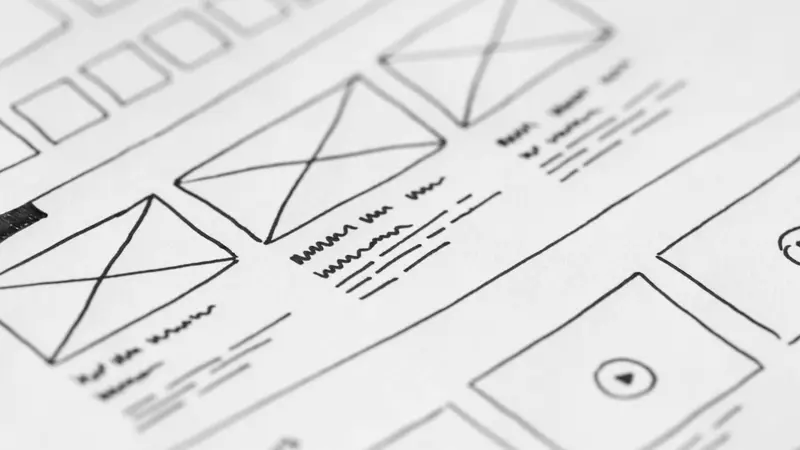
In the ever-evolving landscape of digital innovation, the art of website design has emerged as a critical cornerstone for businesses, creators, and influencers alike. With the internet becoming more crowded by the day, standing out demands not just creativity but a deep understanding of design fundamentals. Here's a dive into the essentials of website design that are shaping the future of online presence.
Simplicity Reigns Supreme
At the heart of compelling website design lies simplicity. Today's users crave clear, uncluttered spaces that prioritise ease of navigation and content accessibility. The mantra is clear: less is often more. Designers are encouraged to streamline their sites, focusing on essential elements and using whitespace strategically to guide visitors' eyes to the most important information.
Responsive and Mobile-Friendly
With over half of global website traffic coming from mobile devices, a responsive design is no longer optional. Websites must fluidly adapt to various screen sizes and platforms, ensuring an impeccable user experience regardless of the device. Google's mobile-first indexing further underscores the importance of mobile-friendly design, directly impacting a site's search engine ranking.
Engaging Visuals and Typography
Visuals and typography play pivotal roles in capturing attention and conveying messages effectively. High-quality images, coherent colour schemes, and legible fonts create an engaging atmosphere that can significantly enhance the user experience. The trend is towards bold and expressive, yet readable typography that aligns with the brand's voice, paired with visuals that tell a story or evoke emotion.
User-Centric Navigation
A website's navigation structure should be intuitive, guiding visitors smoothly from one page to another. The goal is to minimise frustration and ensure users can find what they're looking for with minimal clicks. This includes a well-organised menu, logical page hierarchy, and clear calls-to-action (CTAs) that lead users towards desired actions, whether it's making a purchase, signing up for a newsletter, or contacting the business.
Speed and SEO: The Invisible Essentials
Underpinning the visual and interactive elements of website design are speed and search engine optimisation (SEO). A fast-loading website improves user satisfaction and engagement, while effective SEO strategies ensure that your site is discoverable. Incorporating SEO best practices from the outset, such as optimising images, using keywords strategically, and creating quality content, can give a website the edge it needs to rise above the competition.
Accessibility: Design for All
An often-overlooked aspect of website design is accessibility. Designing for accessibility means ensuring that your website can be used by everyone, including people with disabilities. This includes using alt text for images, ensuring text contrast ratios meet guidelines, and designing navigable sites for keyboard and screen reader users. Accessibility not only broadens your audience but also demonstrates a commitment to inclusivity.
As we look to the future, these fundamentals of website design will continue to evolve, shaped by technological advancements and changing user expectations. The challenge for designers and businesses alike will be to adapt, innovate, and continually strive for websites that are not just visually stunning but are user-friendly, accessible, and effective in achieving their goals. In the realm of website design, the future is indeed bright, and it's crafted with purpose, creativity, and a deep understanding of what makes a site truly stand out in the digital age.